I Wanted to Be in the Story
Six diaries, saved tickets and the unexpected idea that took me from Beverley to China.
I don’t live with regrets. All experiences are valuable, leaving memories of sadness, happiness and fear. My adventure in China gave me all of these. I had many ‘first’ time experiences in China.
I had grown complacent about my life in the UK, which had lost its ‘sparkle’-I didn’t appreciate my hometown of Beverley in East Yorkshire, thinking it was boring. But you need to leave it and let time pass to appreciate it fully and experience it again with different eyes and a new perspective.
Before I moved, my British life was stable, routine and predictable. I liked the idea of certainty. But what happens when that feeling of security is removed?
This blog documents my time living and working in China, from November 2016 to January 2024, with an emphasis on the word “living”.
I kept diaries during those years, although I never developed the discipline of writing every day. I didn’t really see the point. Days can be much the same, even in China. I wrote when something felt worth remembering: a happy experience, a sad one, or an achievement I wanted to record.
The significant moments were remembered and, most importantly, documented. That satisfied the historian in me.
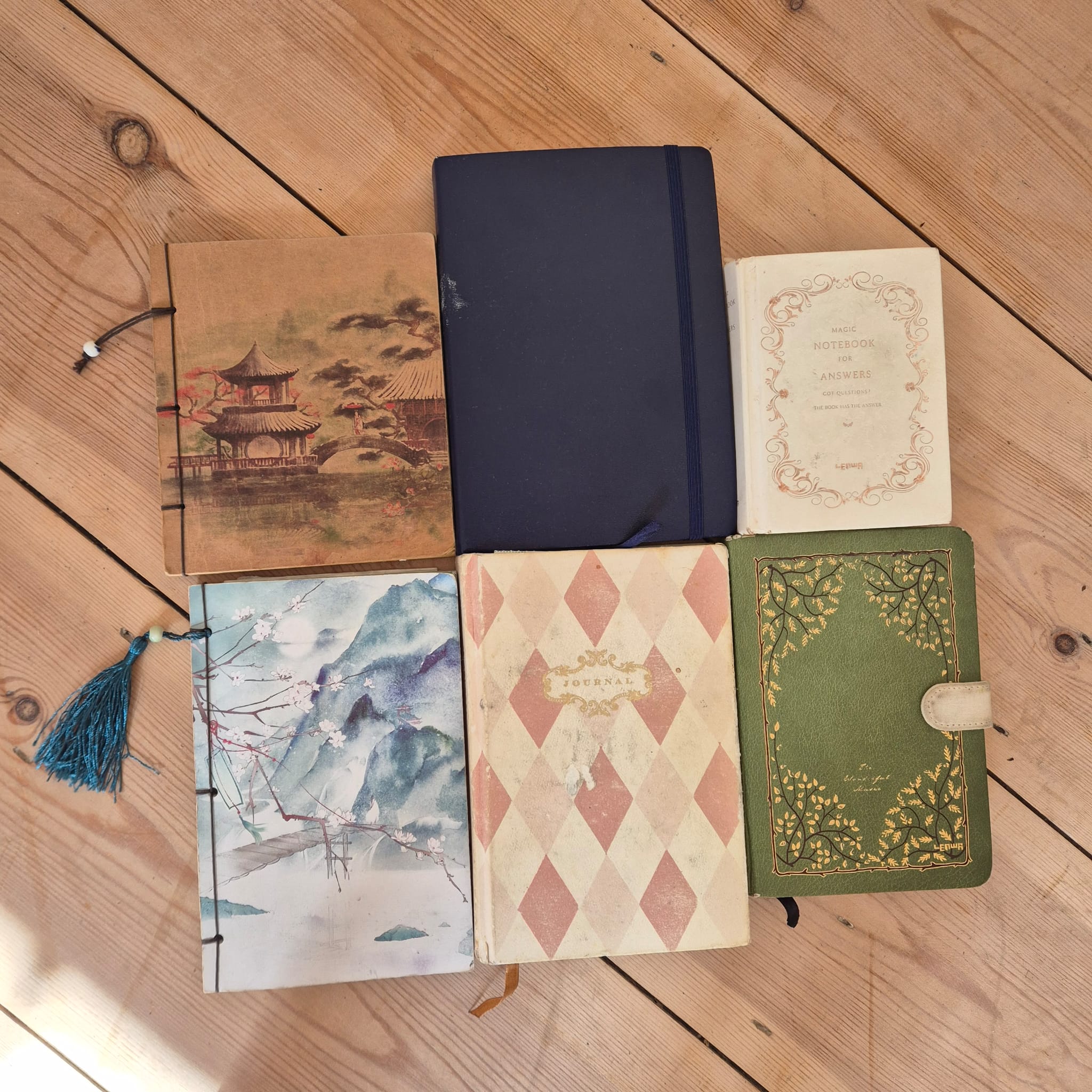
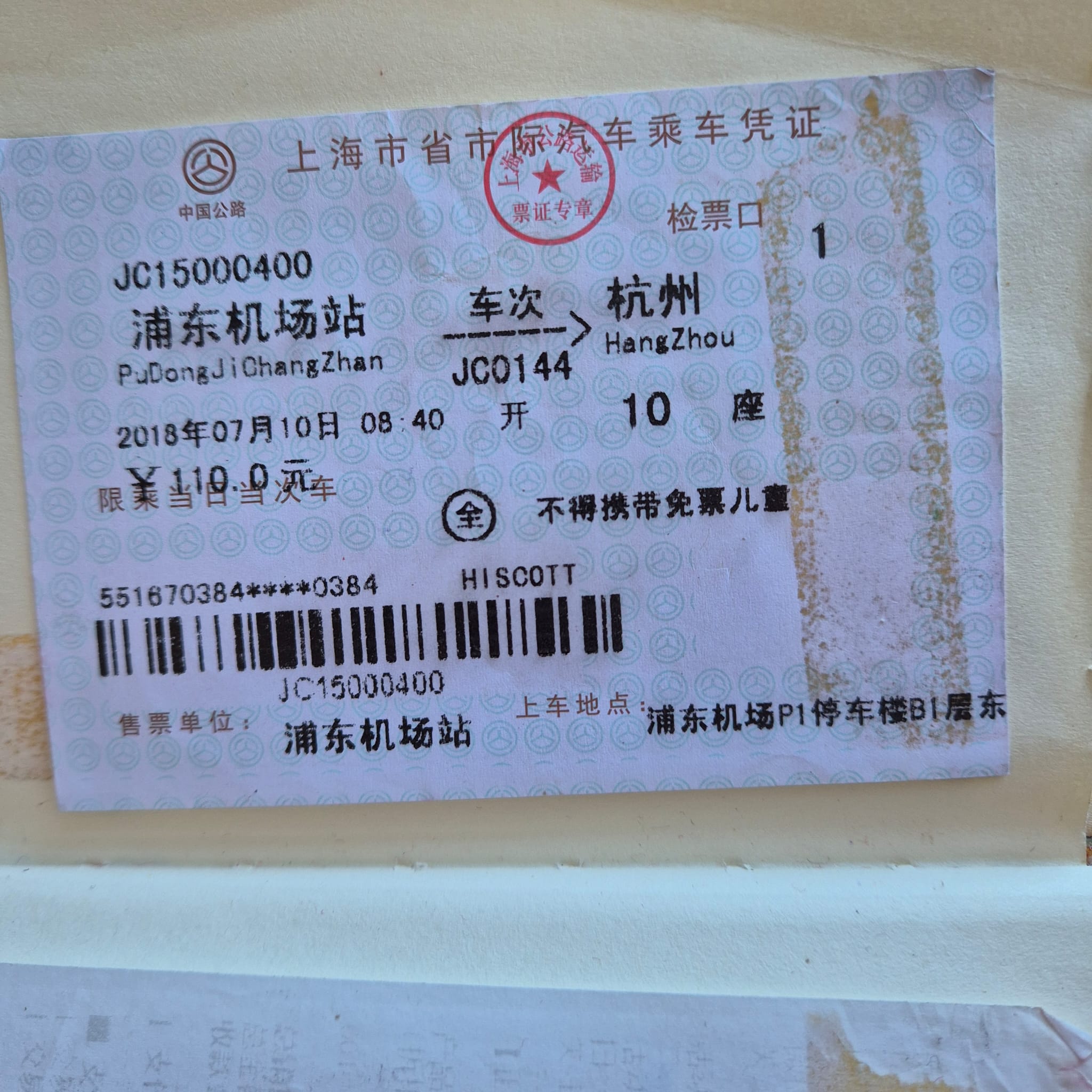
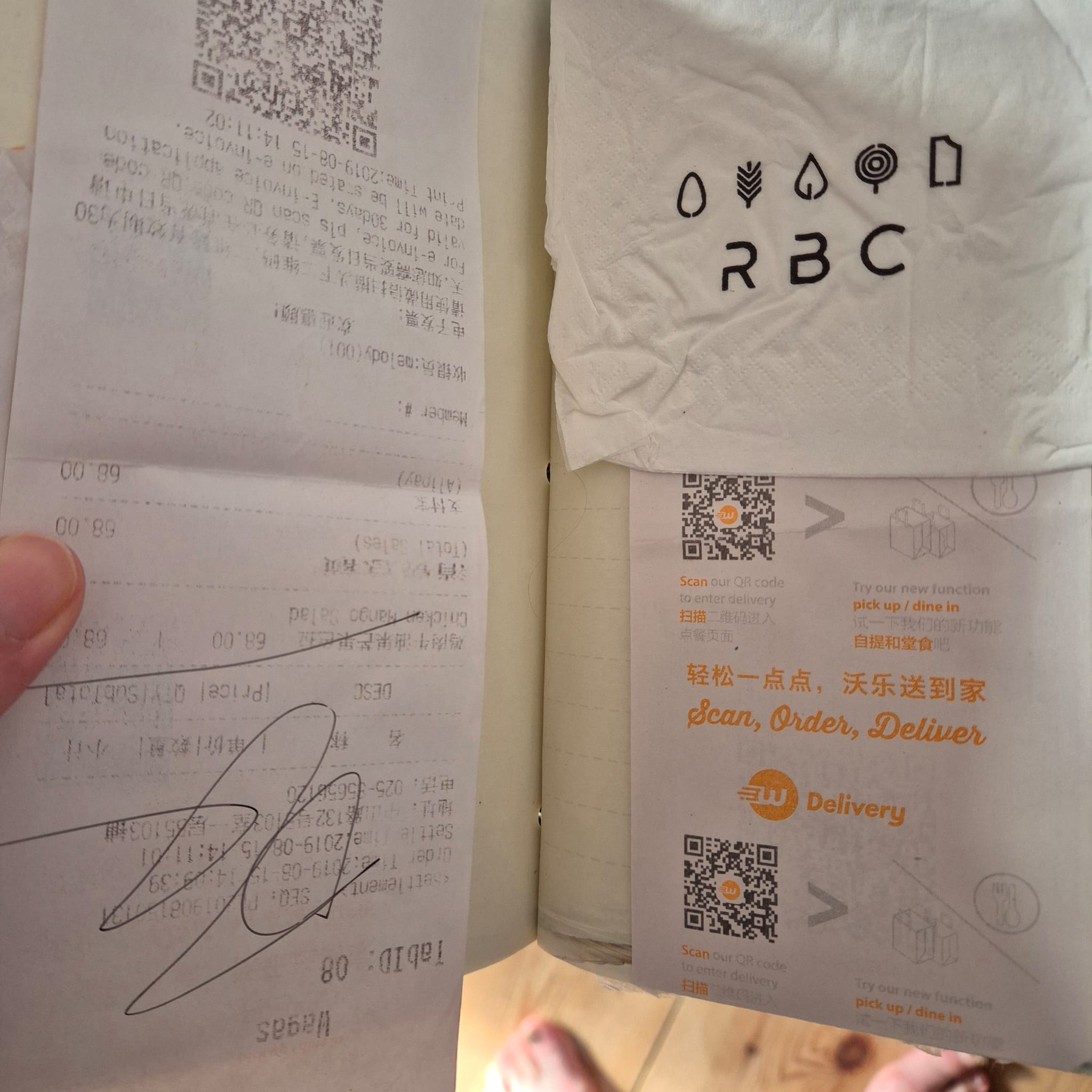
These diaries hold more than my thoughts and feelings. Between their pages are tickets and receipts from favourite cafés and restaurants—small pieces of the life I was living.
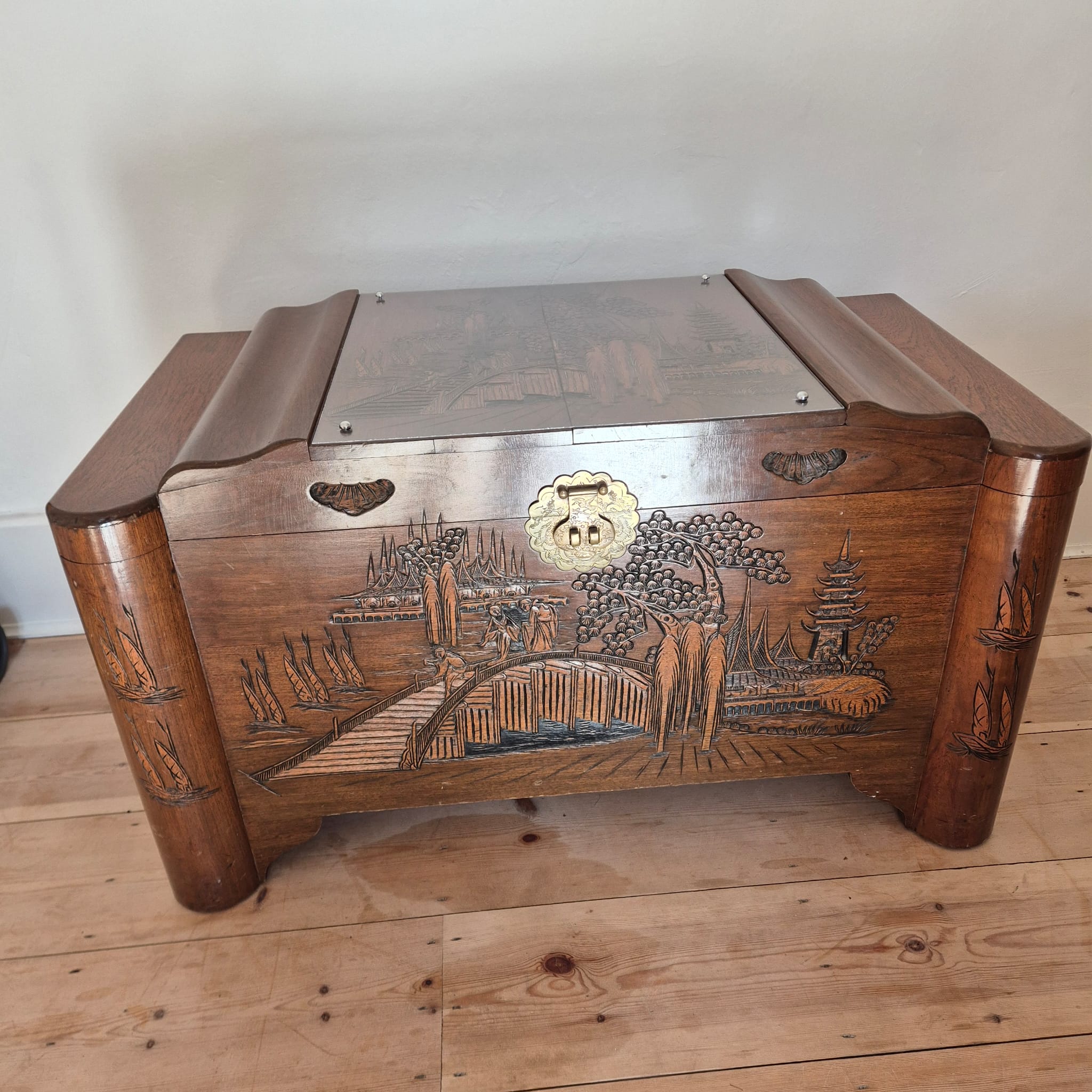
Now, the diaries have a home of their own: a wooden chest that keeps those years together.
Above all, this blog is an expression of appreciation for China: for the life it gave me, the friendships, and the people I met along the way, even if only for a brief moment.
My desire for an adventure may have come from what I thought of at the time as a crisis of direction. I had grown up in Beverley, a picturesque Yorkshire town where life felt reasonably safe, slow and familiar. It was a sheltered upbringing, and there was comfort in that familiarity.
At the centre of the town stood Beverley Minster, the beautiful church that became the subject of my PhD.
I had decided early in my university life that I wanted to pursue a doctorate. An independent study of the Minster’s graffiti developed into years of research. Yet two years into my studies, I realised that an academic career wasn’t what I wanted after all.
I wouldn’t choose to relive the whole experience, but it remains an important part of who I am. It shaped how I observe, question and record the world.
As a historian, I was used to studying other people’s stories. I read their traces, interpreted their experiences and tried to understand the lives they had lived. But somewhere during my PhD, I began to feel that I was standing in the margins.
I wanted to be in the story, living it.
The academic life I saw around me no longer felt like the life I wanted for myself. I knew there was something else, although I couldn’t yet say what it was.
One day, in tears, I spoke to my sister. She suggested—possibly as a joke—“Why don’t you go and work in China, like your cousin Sarah?”
I rolled my eyes and immediately dismissed it.
Sarah was an experienced traveller. She had travelled around the world twice and named Iran as her favourite country to visit. I didn’t see myself as anything like her.
But once my sister had planted the idea, I couldn’t quite let it go. China stayed in the back of my mind for months.
“If Sarah can do it,” my mum said, “so can you.”
Eventually, I began looking for English-teaching jobs.
One conversation with a man in Shenzhen left me uneasy. He seemed to suggest that I simply buy a ticket and arrive. It was only a phone call, and I wanted something more reassuring than that.
An interview with a woman from Meten sounded promising, with various benefits, but the process still felt less formal than I had expected.
Then came English First.
I was interviewed by an Australian woman working in London who told me she had previously worked in China. There was a mock class, a few other tasks, and a quick-fire exercise involving thirty questions. I had to answer within five seconds, using only three words.
The structure reassured me. This felt like a proper interview for an actual job.
I also read reviews of the company on Glassdoor. Many were negative, so I did second-guess my decision about the job. At the same time, I reasoned that unhappy employees might be more likely to write reviews than satisfied ones, and I decided to take what I read with a pinch of salt. Looking back, that was how I reassured myself; I couldn’t know the circumstances behind each review.
The company offered to pay for my flight from Humberside to Shanghai. In my mind, this became a free—and probably short-term—trip to China. That was my expectation, at least. What did I have to lose, aside from a few months of time? I had never really left the nest before.
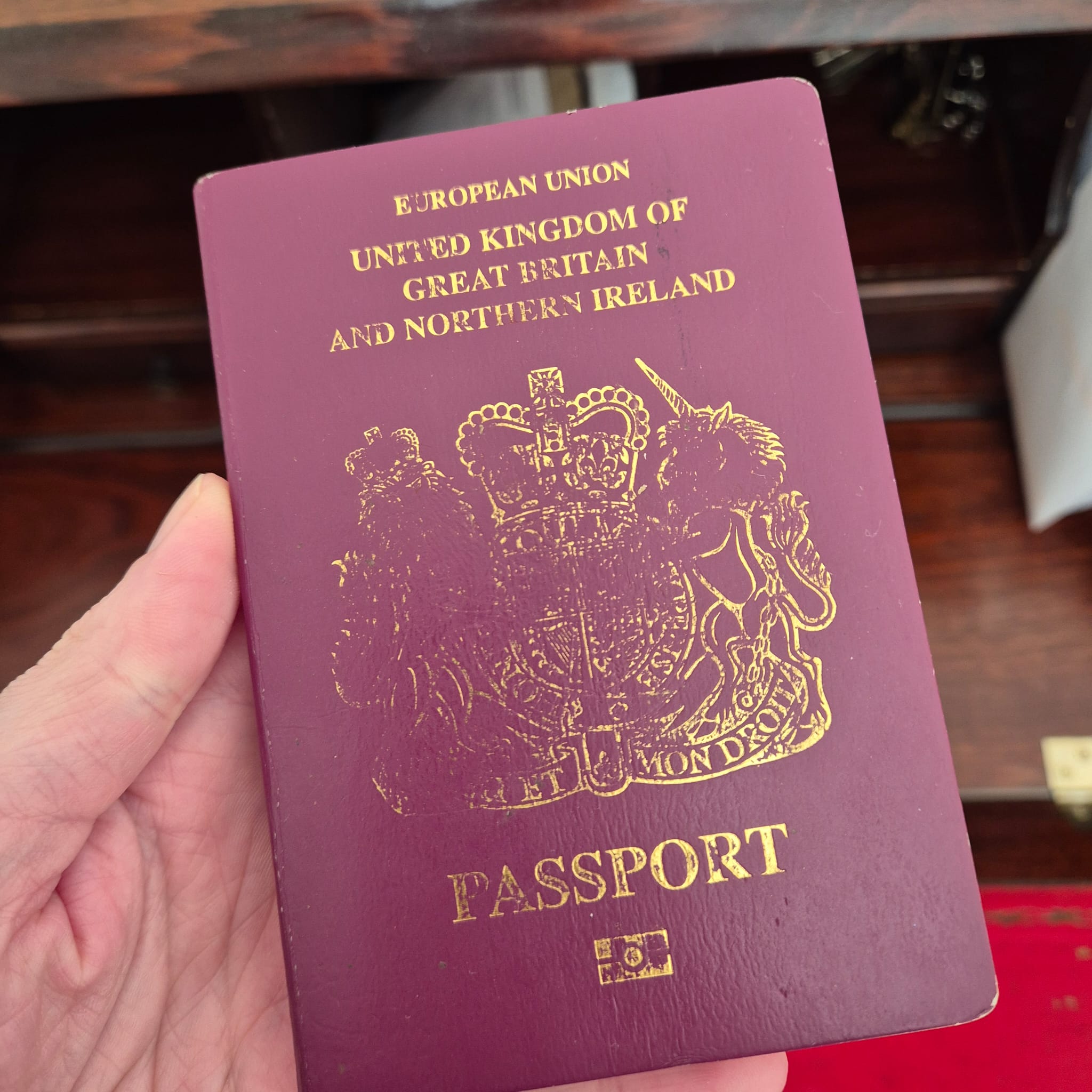
I asked almost everyone I knew what they thought about the job, hoping somebody else could help me make the decision.
Even on the day of the flight, I was still only about fifty per cent sure.
The idea that my sister had planted became an interview, a job offer, and a ticket. I was about to step into a story of my own.