Iris: A Friend for Life
Shared meals, chocolate popcorn and the friend who refused to let me ignore her calls.
Iris will always be one of the most important people I met in China. Larger than life, funny and wise, she became the friend I could call when I didn’t know what to do—and sometimes the friend who called because she knew I needed help before I did.
We first met in passing at EF. She worked at Binjiang while I was at Yingtai, but people spoke warmly about her. When my centre closed and I transferred, I finally had the chance to get to know her properly.
After working with mostly men, I welcomed the change in atmosphere. There were more women in the teaching team, with different backgrounds and experiences. At first, I felt a little lost among so many personalities.
Iris quickly put an end to that.
‘Oh my God, I think this is the first time I’ve met you sober,’ she said.
I was surprised to discover that I had acquired that sort of reputation. I had arrived in China as someone who barely drank. A few work celebrations had apparently made quite an impression.
She added that I was nice when I was sober too. I decided to take it as a compliment.
Iris was a little younger than me and had returned to China after several years studying and working in the United States. Her English had an American accent, and she often began a sentence with ‘Girl…’
While I was discovering China for the first time, she was reconnecting with a place she already knew. After so long abroad, returning home involved adjustments of its own.
We had plenty to talk about: clothes, make-up, skincare, dating and whatever had happened at work. She had stories about the people she was meeting, and I enjoyed her openness and sense of humour. Conversation never felt like an effort.
Above all, we shared an appetite.
After a Sunday shift, with our Monday and Tuesday weekend ahead, we often went to the Dongbei restaurant below the centre. We ordered duck rolls to assemble ourselves, tofu, fried aubergine and plenty of meat. Our rule was that there had to be ‘something green’ on the table. Whether we finished it was another matter, but at least we had made an attempt.
Iris usually ended the evening at Yi Dian Dian for milk tea. She loved it so much that she said she had asked her dad to buy her a milk tea shop for her birthday.
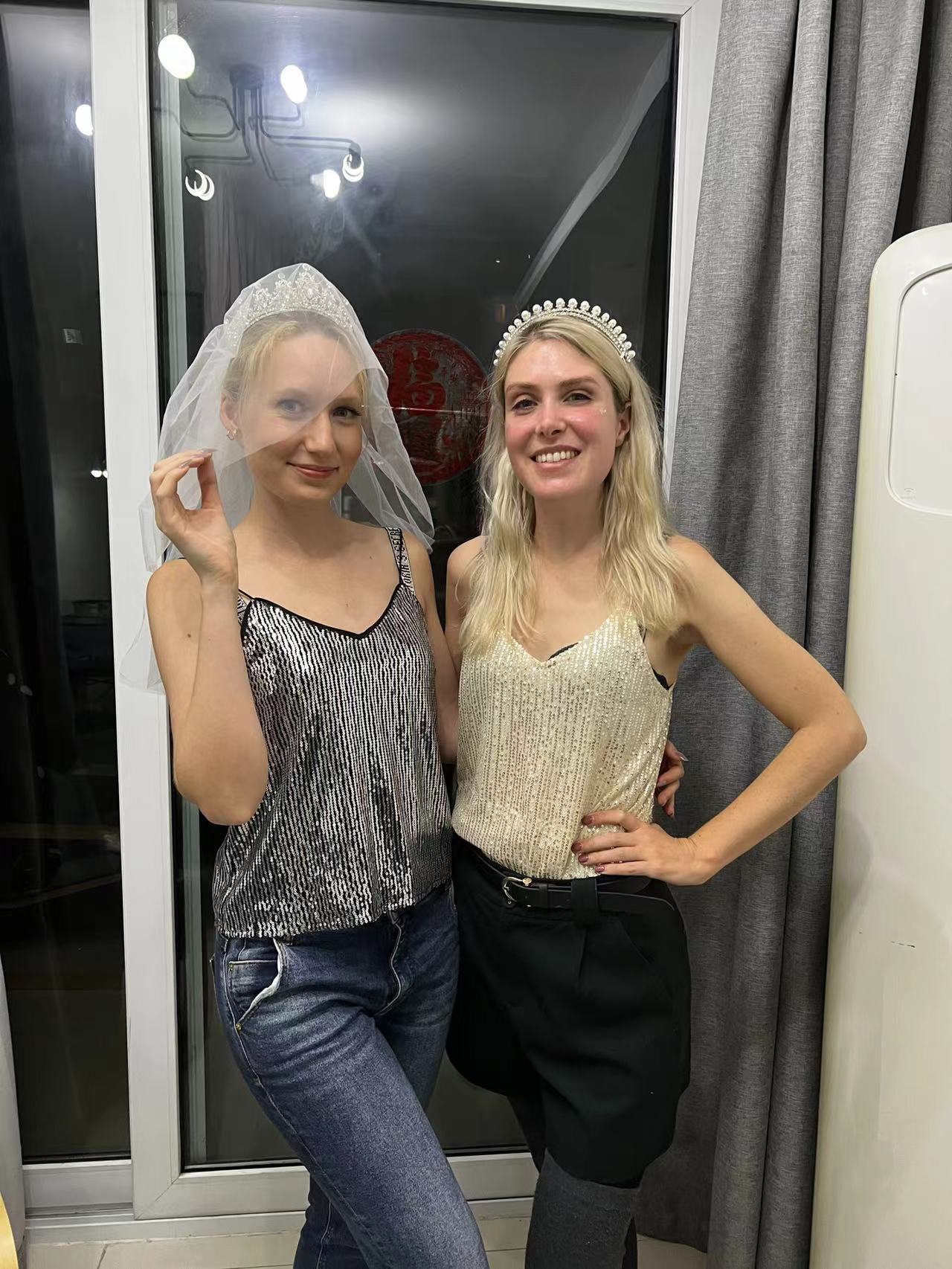
During the Qingming holiday, we arranged a day out in Hangzhou. We exchanged messages about where we were on the subway and when we would arrive, then met for brunch at Wagas.
At around 120 yuan each for coffee and food, it felt expensive. Still, we had a full day ahead of us.
We explored the shops at the Kerry Centre, trying things on and buying very little. At one point, we turned window-shopping into a competition: each of us chose clothes for our friends, sent photographs and asked whose selection they preferred. Even people who weren’t there became part of the afternoon.
Eventually, food became the priority again.
On Dianping, Iris found a vegetarian buffet in a back alley, which she described as a Buddhist charity restaurant. It cost five yuan.
Five yuan for as much as we wanted to eat—and we enjoyed it more than our expensive brunch. I wished we had started there. It felt like discovering a secret, the sort of place I would never have found by myself.
We weren’t ready to go home, so we went to the cinema. It was my first visit to one in China. Iris chose a Korean science-fiction film, which made very little sense to me. I wasn’t entirely sure how much sense it made to her either.
The chocolate popcorn, however, was a triumph.
For weeks afterwards, she talked about returning for the popcorn. The film barely received another mention.
That day confirmed how easy it was for us to spend time together. We began making a list of things to do: a water park, more shopping, brunches and, inevitably, more restaurants.
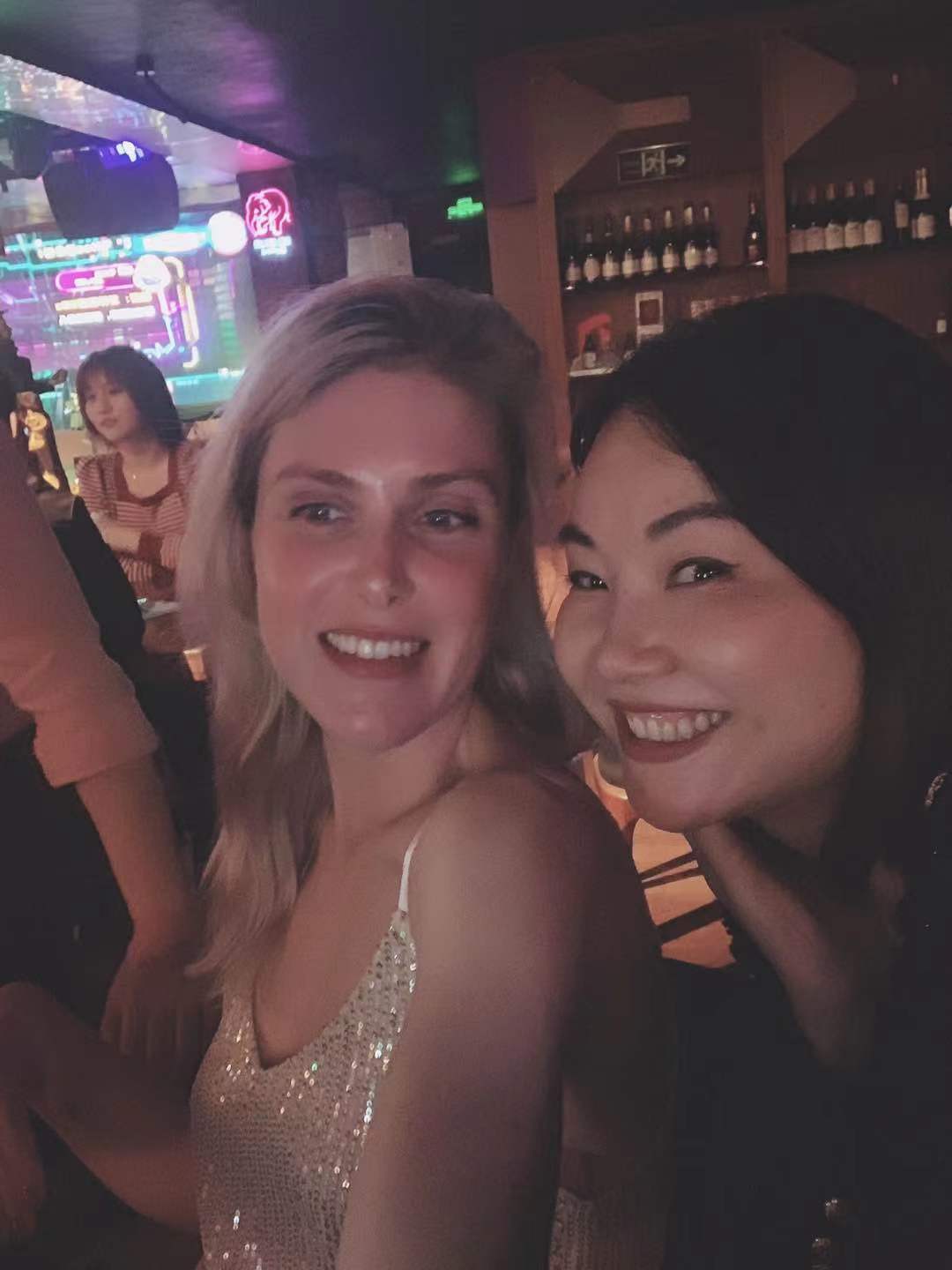
At work, we also helped introduce Wednesday clothing themes. One week might be blue, another stripes. Even the men joined in. It was a small, silly ritual, but it gave us something to laugh about together.
Iris became someone I turned to whenever I ran into difficulties. Once, after I left my purse in a shop and it was locked inside overnight, she helped me communicate with people about getting it back—even at four in the morning.
Later, I moved to Nanjing. We didn’t always speak regularly, but the friendship remained.
In early 2020, around Spring Festival, I was at the gym when a stream of messages from her appeared on WeChat.
‘Buy a mask.’
She sounded increasingly worried. I had heard about cancelled events and classes, but I hadn’t understood what was happening. I assumed the illness people were discussing was something ordinary that would pass.
At first, I barely responded. Then I told her she was being dramatic.
Iris called.
She insisted that I buy a mask. I explained that I had never needed one and didn’t know where to look. She told me to try a convenience store.
I said I would go later. I wanted to finish my workout.
She kept calling.
Eventually, I went downstairs to a shop, where I found two cloth masks. I didn’t know which kind I was supposed to buy, so I bought both. While waiting behind another customer buying masks, I called Iris to prove that I was finally doing as she had asked.
Only then did she leave me alone.
I took the masks home and left them unopened. I still hadn’t grasped how quickly daily life was about to change.
In the days that followed, familiar routines began to disappear. I remember working on my laptop in Starbucks and being told the shop was closing and I had to leave. Soon, places I needed to enter required a mask, while finding one to buy had become difficult.
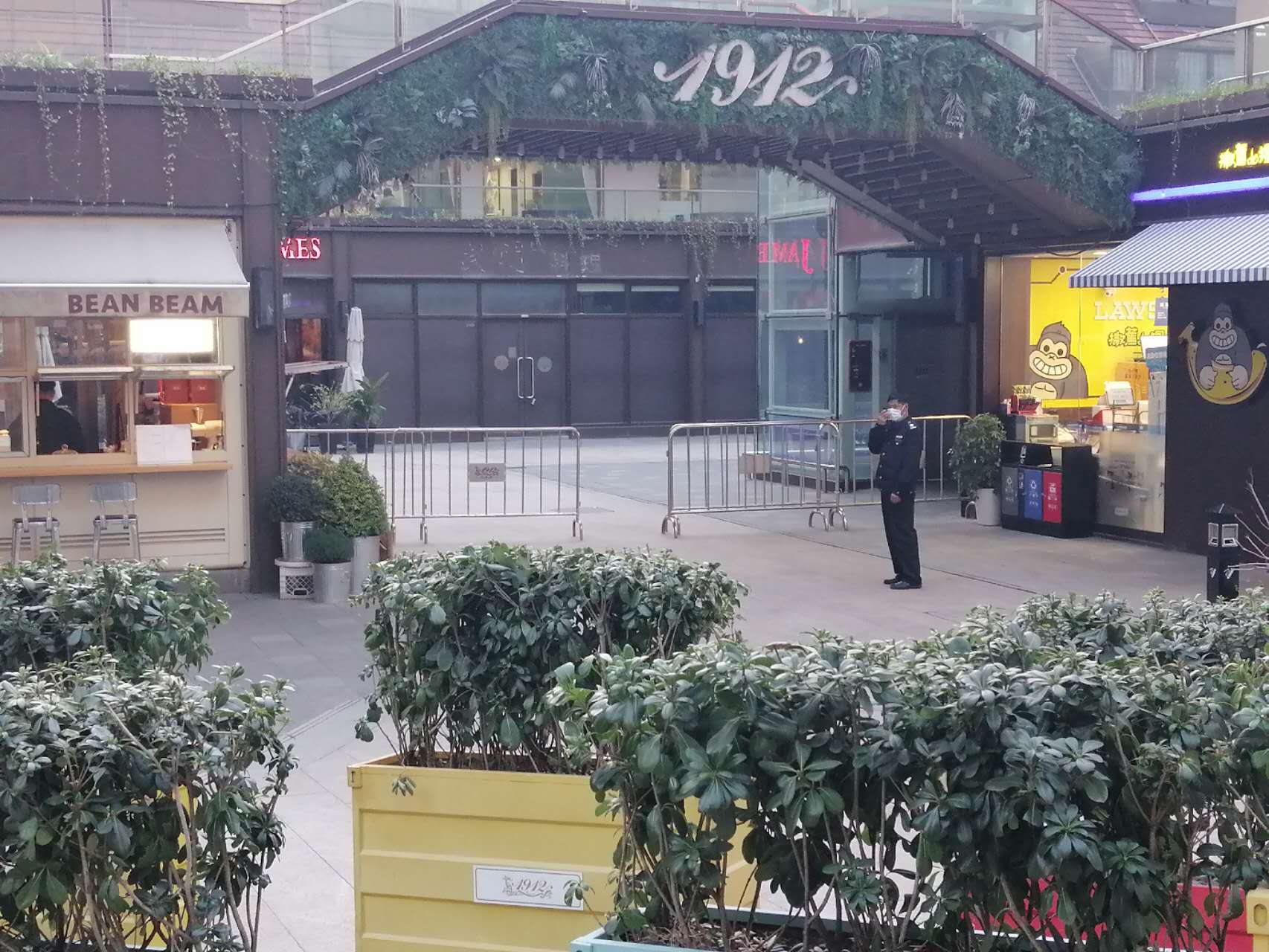
A colleague told me he couldn’t get into a shop to buy water without one. I offered to pick up what he needed.
Those two masks had become unexpectedly important. They allowed me to get into shops for groceries at a time when I would otherwise have struggled. Looking back, this is a memory of how unprepared I was, and how determined Iris was to make me pay attention.
She had thought of me after a long gap in our conversations. Then she had refused to let my stubbornness end the matter.
I will always be grateful for that.
On a later visit to Hangzhou, we joked about living together in the UK and growing old together.
Even now, it sounds rather lovely: a lifelong friend, plenty to talk about, and probably a list of places we still want to eat. Please let there be chocolate popcorn.