I Didn’t Think I Needed WeChat
Everyone else was finding their feet in Shanghai. I was still convinced I didn’t need a phone.
Jason knocked on my hotel-room door. He had to do this every day because I didn’t have WeChat.
More precisely, I had decided I didn’t need it.
I had managed perfectly well in the UK without relying on a phone or social media. Why should China be any different?
While everyone else joined the group chat, made plans and arranged evenings out, I remained confidently disconnected—and increasingly unaware of what was happening.
Those staying in Shanghai were busy finding apartments. Those of us heading to other cities had a few free days to explore. I tagged along while Jason and the others bought Chinese phones, with help from Chinese colleagues.
I still refused to get one.
Looking back, this was not my most practical decision.
Jason quickly found a room in a modern shared apartment for around 5,000 RMB a month. Within days, he was preparing to move out of the hotel. I was amazed by how quickly people seemed to be putting their new lives together.
Meanwhile, I was still working out how to get around.
One day, I went to a temple with a British-French woman from our group. She was heading to Chongqing and seemed immediately comfortable in China. Like me, she wanted to experience the culture beyond the most international cities.
On the way to the metro, she stopped at a small takeaway counter for breakfast.
“Wǒ yào yí ge cài bāo.”
She wanted a vegetable bun. She knew what to ask for, where to get it and how to order it. She bought two for about three yuan.
I was enormously impressed.
Only a few days earlier, I had abandoned a steamed bun because I couldn’t identify its green filling. Here she was, confidently buying them for breakfast.
The metro was another mystery to me. My previous experience amounted to a trip on the London Underground about five years earlier. I followed her, trying to look as though I also knew where we were going.
Eventually, we reached the temple.
In the middle of modern Shanghai, we found incense, golden Buddha statues and crowds of visitors. We lit incense sticks and looked around. It was my first visit to a temple in China, and a welcome chance to spend time with another woman.
This was the sort of experience I had imagined when I decided to come.
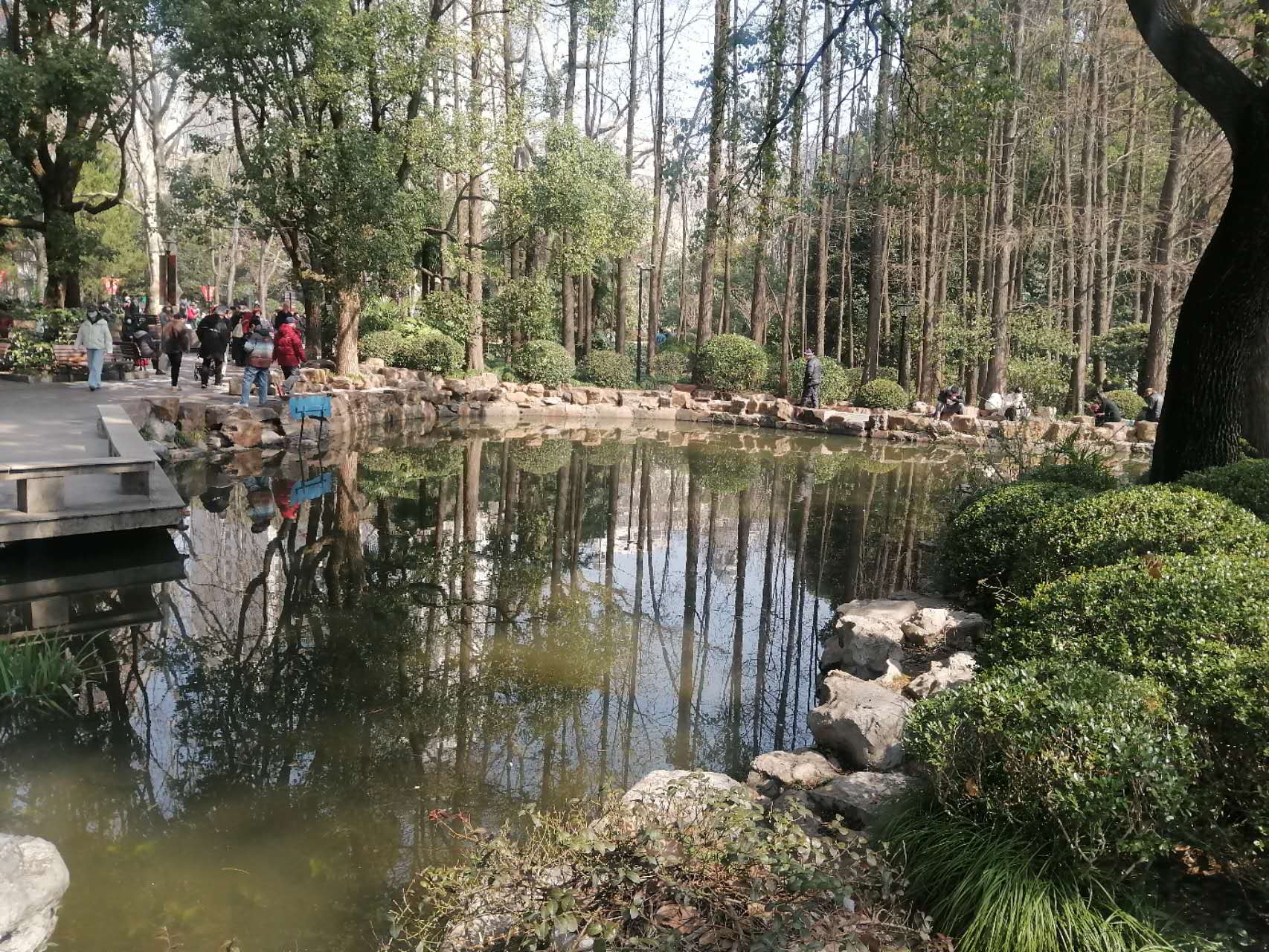
Yet I was starting to compare myself with the people around me. She could order breakfast and navigate the metro. Jason was finding accommodation, arranging a bank transfer and already managing conversations in Chinese.
I still felt as though I knew nothing.
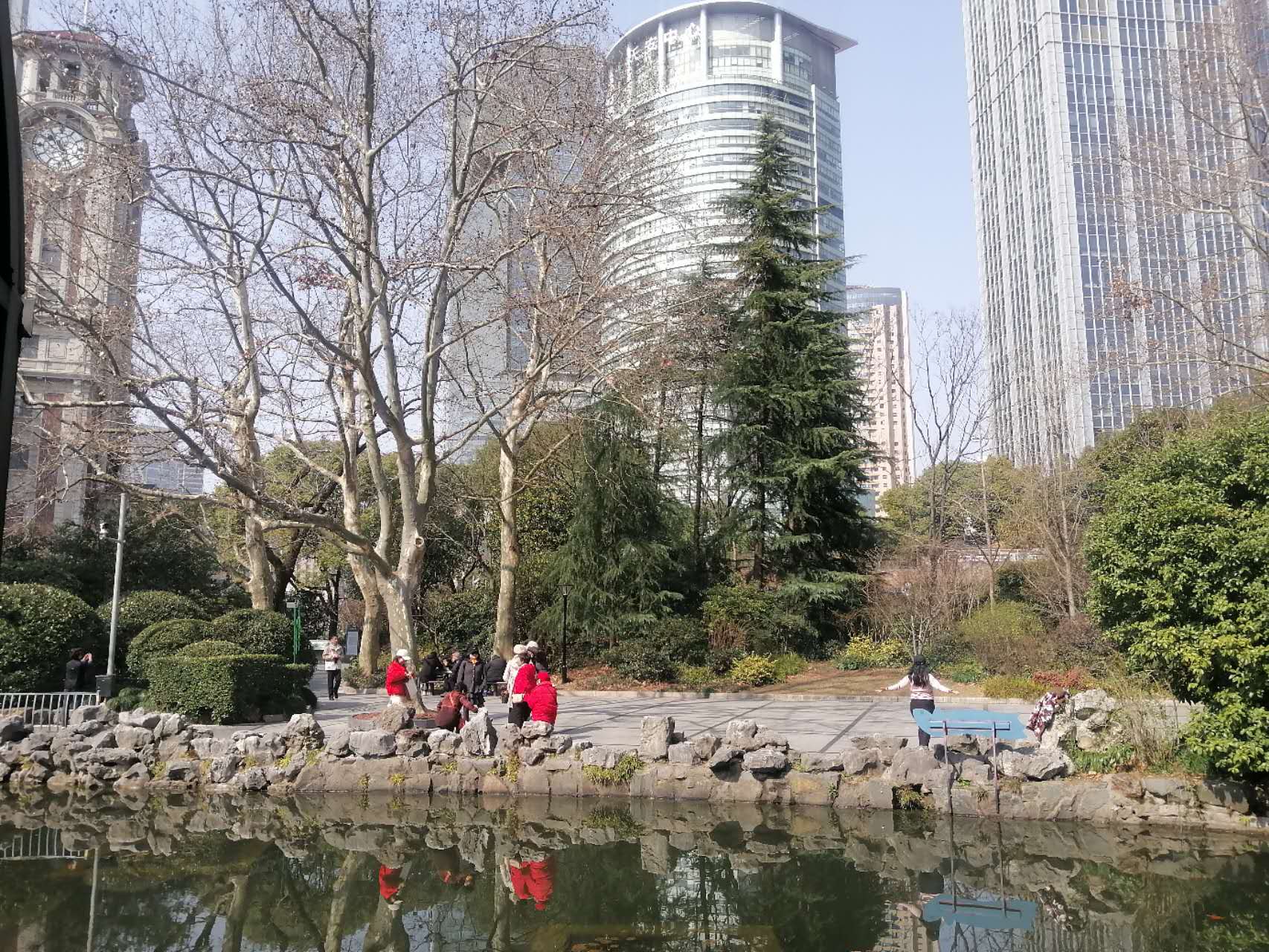
Once Jason had sorted out his apartment, we spent another free day wandering around Shanghai. Despite his confidence, we still managed to get lost among the shops and grand hotels. That was reassuring in its own way.
That evening, we ate somewhere we could choose from a selection of prepared dishes. I pointed at what I wanted. Jason used Chinese.
Later, I heard people returning along the corridor after their evenings out. One of the recruits had described the experience as “freshers’ week”. For some, the social side of arriving in Shanghai was already in full swing.
I had arrived with different priorities, but I was beginning to see that exploring a country and getting to know the people around me were closely connected.
I had heard stories about the expat nightlife through my grandmother, whose accounts of my cousin’s life in China had made it sound both adventurous and slightly alarming. When my cousin first moved there, I couldn’t understand why she wanted to go. My picture of the country had come largely from news reports: pollution, face masks and somewhere very far from the life I knew.
Now I was here myself, discovering how little that picture had told me.
I had arrived with a historian’s wish list: museums, temples, libraries, parks, language, art and culture. I wanted to learn, and I assumed that would be the centre of my experience.
For the moment, though, even ordering breakfast required help, and making plans depended on someone knocking on my door. Learning to navigate everyday life—and staying connected to the people helping me—was becoming part of the experience too.
I had come to China with very clear ideas about what I needed—and what I didn’t.
Those ideas were going to change.